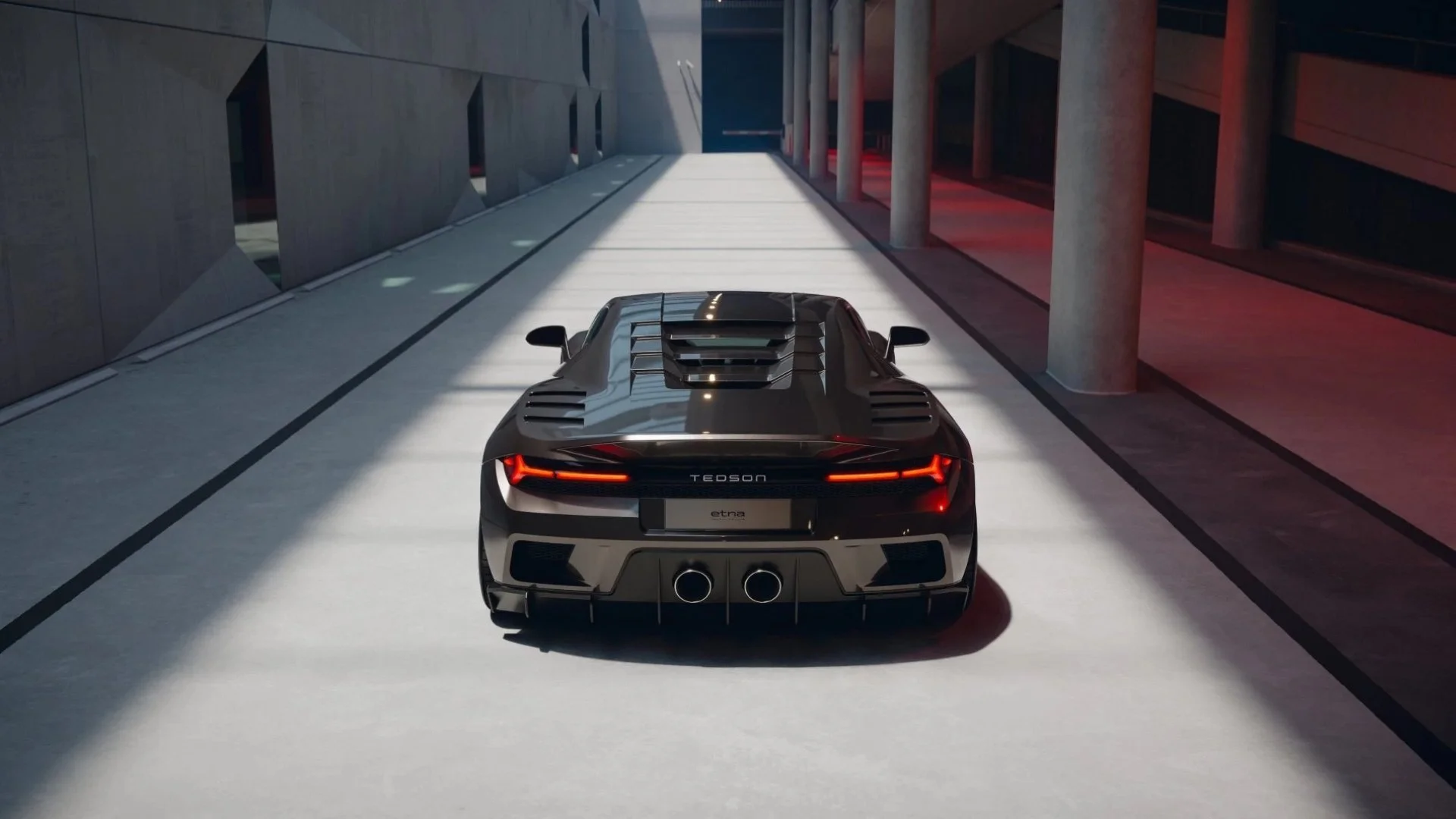
ETNA: WHEN A MODERN CLASSIC REFUSES TO AGE
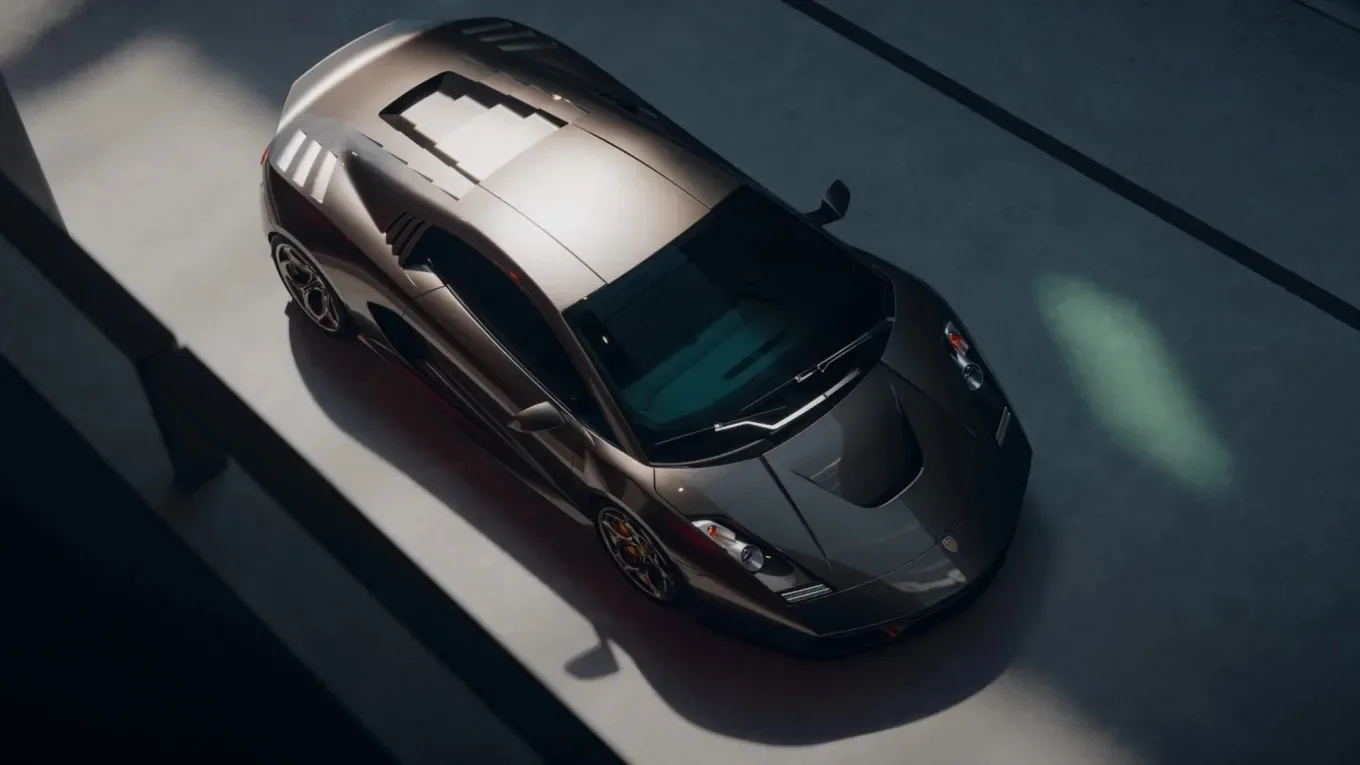
Its name is Etna, and it is the bold statement through which Tedson Motors intends to project the Lamborghini Gallardo straight into 2025—and beyond. The question is inevitable: can a supercar born in the early 2000s already deserve the full restomod treatment?
At first glance, the Gallardo doesn’t look old enough to qualify. Introduced in 2003 as the “junior” supercar of Lamborghini, it is now over twenty years old—historically significant, yet still modern by most standards. Restomods traditionally focus on icons from the ’60s to the ’90s, refining classics that predate digital driving aids and contemporary engineering. And yet, Tedson Motors plays by different rules.
Its philosophy is already clear from its portfolio, which includes the visceral Daydream—based on air-cooled 911s—and now the Etna: a Gallardo reinterpreted with the same reverence usually reserved for far older legends.
Save the Manual—At All Costs
When the Gallardo debuted under the Volkswagen Group, it marked a stylistic shift: cleaner, less flamboyant than earlier Lamborghinis, but still unmistakably exotic. Beneath its sharp surfaces lived a naturally aspirated V10—first a 5.0-liter producing 500 horsepower, later evolving into a 5.2 with an extra 70 horses. Buyers could choose between all-wheel drive or rear-wheel drive, the latter immortalized by the cult LP550-2 Balboni.
Transmission options ranged from a gated manual—now exceedingly rare—to the e-gear sequential. Tedson’s approach here is unusually respectful: the company intends to prioritize donor cars without a clutch pedal, deliberately preserving the few remaining manual Gallardos as untouched artifacts of a disappearing era.
A V10 That Screams Past Reason
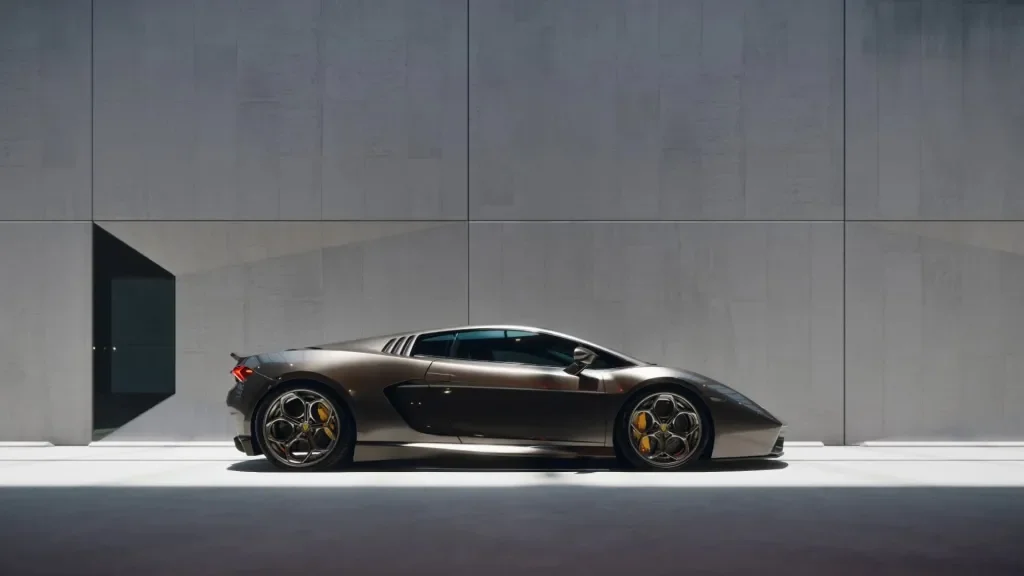
The Etna will be based on first-generation Gallardos equipped with all-wheel drive and the sequential gearbox. From there, subtlety is abandoned. The legendary V10 is dismantled and rebuilt with upgraded internals, a titanium exhaust, and a new intake system, pushing output to around 600 horsepower. Even more intoxicating is the rev ceiling: north of 10,000 rpm.
Suspension duties are entrusted to JRZ, with hardware derived from GT3 racing—an explicit promise that this is not merely a visual exercise, but a deeply re-engineered machine.
Carbon, Character, and Controlled Excess
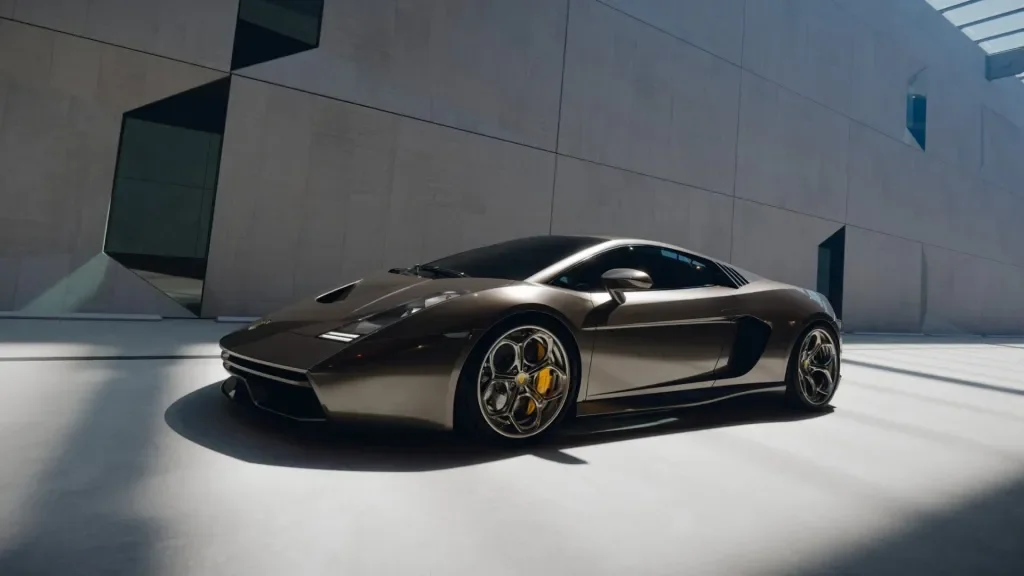
Stylistically, the Etna sits closer to contemporary restomods like Eccentrica or Futurista than to purist interpretations à la Alfaholics. The original Gallardo silhouette is reshaped with an ultra-modern carbon-fiber body, echoing cues from the Lamborghini Huracán, the Lamborghini Countach, and, naturally, the Gallardo itself—yet the final result asserts a distinct identity.
Carbon fiber is everywhere, shaving an estimated 200 kilograms from the original weight. The numbers that follow are mouthwatering: roughly 600 horsepower pushing just over 1,200 kilograms. The only lingering concern? Whether the original sequential gearbox can truly keep pace—or whether Tedson will push its evolution even further.
Interior details remain under wraps for now, but the official debut is set for early 2026.
Will the Etna be a fleeting provocation, or will it carve out a lasting place in the rapidly evolving restomod landscape? One thing is certain: Tedson Motors has ignited a volcano beneath one of Lamborghini’s most beloved modern classics.